


This will keep your cosmetics fresh for longer!
Trendisland.de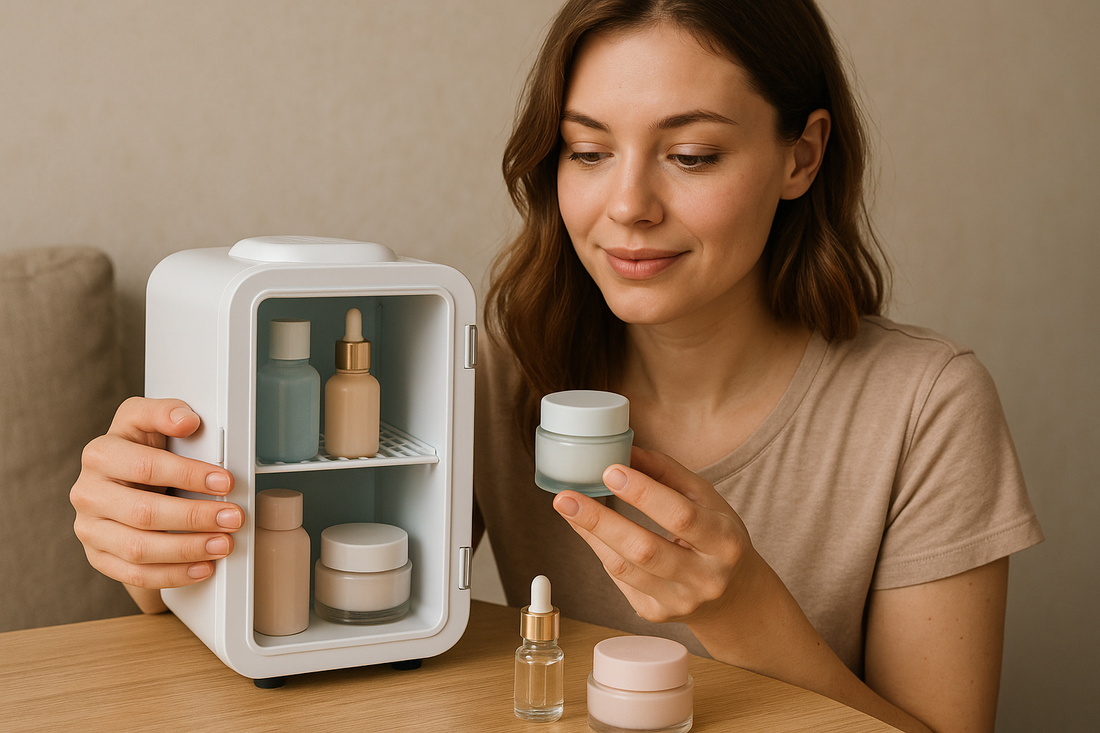
Share
Anyone who owns high-quality cosmetics and skincare products naturally wants them to stay fresh and effective for as long as possible. However, many beauty enthusiasts don't know how to extend the shelf life of their cosmetics. But there are simple tricks you can use to protect your favorite products from premature spoilage. In this article, we'll reveal how to keep your cosmetics fresher for longer – from proper storage to clever application tips.
Why cosmetics don't last forever
Before we get to the practical tips, it's important to understand why cosmetics spoil in the first place. Every product has a limited shelf life, which is influenced by various factors:
Oxidation: Ingredients change through contact with oxygen.
Bacteria: Germs can multiply if the product is used and stored improperly.
Temperature fluctuations: Heat and cold affect consistency and effectiveness.
Light exposure: UV rays degrade many active ingredients.
Moisture: Especially in bathrooms, moisture can cause products to spoil faster.
Proper storage – the key to fresh cosmetics
Proper storage of beauty products is crucial for their shelf life. These tips will help you create optimal conditions:
1. The perfect storage place
The bathroom is convenient, but often the worst possible place for cosmetics. The combination of humidity and temperature fluctuations accelerates spoilage. Better options include:
- A cool, dry closet in the bedroom
- Special cosmetic refrigerators for temperature-sensitive products
- Dark storage boxes for light-sensitive items
2. Temperature control
Most cosmetic products are best stored at room temperature (15-25°C). Exceptions include:
- Nail polish: Store in a cool place (but not in the refrigerator)
- Natural products without preservatives: Store in the refrigerator
- Wax-based products: Protect from heat
3. Light protection
UV rays are the enemy of many active ingredients. The following are particularly affected:
- Vitamin C serums
- Retinol products
- Essential oils
- Perfumes
Always store these products in their original packaging or in dark containers.
Clever tricks for different product categories
Depending on the type of product, there are specific methods to extend its shelf life:
Liquid foundation and concealer
These products are particularly susceptible to bacterial growth. Here's how to keep them fresh:
- Never apply directly from the bottle (use pumps or spatulas)
- Always close the lid tightly
- Consume within 6-12 months of opening.
- Discard immediately if the smell or consistency changes.
Powder products
Powder, eyeshadow and bronzer last longer, but require special care:
- Disinfect regularly with alcohol
- Clean brushes before each use
- Protect from moisture (silica gel packets help)
- Replace every 2-3 years
Mascara and liquid eyeliner
These products have the shortest shelf life (3-6 months after opening):
- Never share with others
- Do not pump the brush in the tube (this introduces more air into the product)
- Discard immediately if clumps form.
- Waterproof versions often dry out faster
Lipsticks and lip liners
Lip products come into contact with mucous membranes and require special attention:
- Clean lips before each application.
- Regularly trim the tip of the liner
- Replace pens every 1-2 years
- In case of herpes, immediately discard all used lip products.
The best tips for skincare products
Not only makeup, but also skincare products need to be stored correctly:
Creams and serums
- Always remove with clean fingers or a spatula
- Seal airtight
- Store products containing active ingredients such as vitamin C or retinol in the refrigerator.
- Look for the open symbol (open cream jar with a number)
Oils and natural products
- Protect from light
- Store in a cool place
- Pay particular attention to hygiene when using natural products without preservatives.
- Consume within 3-6 months of opening
sunscreen
- Do not expose to direct sunlight
- Buy new after one year (UV protection decreases)
Never dilute or mix with other products
5 golden rules for fresh cosmetics
-
Cleanliness is paramount.
Clean your brushes, sponges, and applicators regularly. Bacteria are the main reason for spoiled products. -
Air is the enemy
Seal all products airtight immediately after use. Products particularly prone to oxidation can be treated with protective sprays. -
Hands off!
Use spatulas or pumps instead of direct finger contact wherever possible. This reduces the risk of bacterial contamination. -
Regular inventory
Check your cosmetics every 3 months and discard any expired products. -
Don't buy one that's too big
It's better to buy smaller quantities that you can use up quickly, rather than stockpiling large quantities.
When you should dispose of cosmetics
Despite the best care, every product eventually reaches the end of its lifespan. You should take these warning signs seriously:
- Changed odor (rancid, chemical, unpleasant)
- Changes in appearance (discoloration, mold, flocculation)
- Changed consistency (lumpy, watery, oily)
- Skin reactions (burning, redness, itching)
- Expired expiration date (especially for products for the eye area)
Conclusion: Simple tricks for longer-lasting fresh cosmetics
Extending the shelf life of cosmetics isn't rocket science. With proper storage, careful hygiene, and regular care, you can keep your favorite products fresh for significantly longer. Remember: quality over quantity. It's better to invest in fewer, but high-quality products that you use regularly, rather than stockpiling items that then go to waste. This not only saves you money but also benefits your skin – because fresh cosmetics simply work best!
Note on content creation:
This article was created with the assistance of AI and subsequently reviewed by our editorial team. Despite careful preparation, we cannot completely rule out inaccuracies in content or calculations. All information is provided without guarantee of accuracy, completeness, or timeliness. This article serves solely for general information purposes and does not replace legal, technical, or professional advice. For individual questions or binding information, please contact the relevant authorities or experts.
Images : The images used are for illustrative purposes and may differ from the actual product or condition.