Pet Hygiene: How to Keep Your Home Fresh & Clean
Trendisland.de
Share
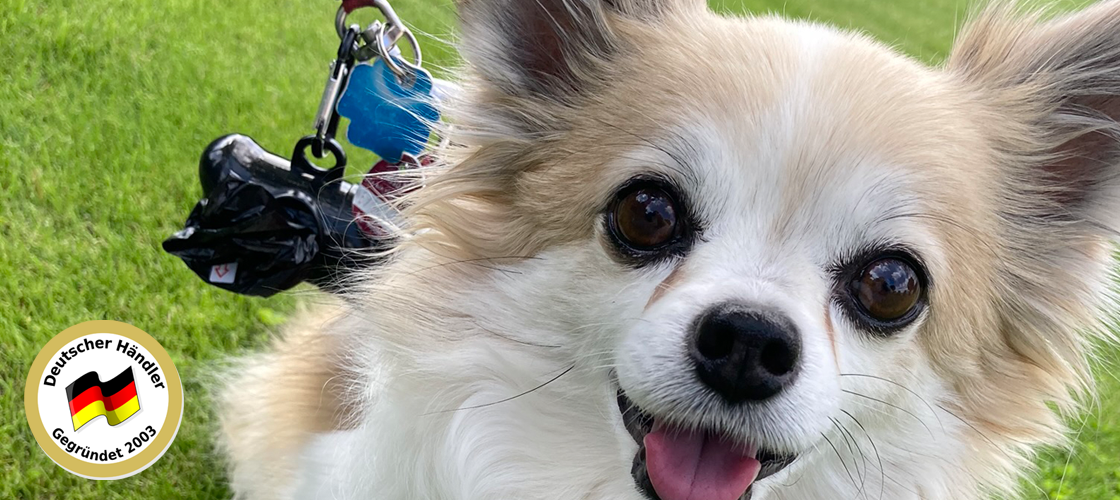
Image created with AI
A home with pets is a place full of life, love and energy. But as wonderful as the company of our animal friends is, it also brings a few challenges, especially when it comes to keeping your own four walls clean and fresh. How do you keep a pet household clean without limiting comfort and the joy of your furry family members? That is exactly what this article is about. We give you tried-and-tested tips for a clean home with pets so your home always stays fresh, pet hair is no longer an issue and unpleasant odours do not stand a chance.
Why pet hygiene at home is so important
A clean home with pets means far more than looks. Hygiene contributes significantly to the health of people and animals. Pet hair, dander and dirt carried in can trigger allergies and affect the indoor climate. Even tiny traces of faeces or urine on paws or fur spread germs onto floors and upholstery, which can lead to gastrointestinal infections or respiratory irritation. In households with children or people with weakened immune systems, consistent hygiene is especially important.
Targeted pet hygiene at home also prevents frequent build-up of dust and makes cleaning much easier and more efficient. It noticeably reduces the amount of microorganisms and allergens and ensures a healthy living environment. That way you enjoy the benefits of living together in harmony without the dreaded "pet chaos effect".
The perfect cleaning programme for a pet household
A well-thought-out cleaning system is the foundation. With targeted strategies you can remove pet hair, eliminate odours and keep your home fresh. Here are our most important cleaning tips for pet owners:
-
Vacuum regularly:
Use a high-quality vacuum cleaner designed specifically for removing pet hair. Models with HEPA filters that also capture small particles and allergens are ideal. A robot vacuum with a pet hair brush can help keep floors clean every day. -
Damp mopping:
After vacuuming, damp mopping adds an extra boost of freshness. It reliably removes dander and the finest dust particles that settle on the floor. A dash of pet-friendly neutral cleaner in the water prevents streaks and has a deodorising effect. -
Wash textiles regularly:
Blankets, cushions and pet beds should be washed at 60 °C at least every two weeks to kill mites and bacteria. Use pet-friendly cleaning products to avoid skin irritation while still cleaning effectively. -
Care for upholstered furniture:
Vacuum upholstery with a brush attachment and, if needed, treat it with special foam cleaners or upholstery powder. This not only binds dust but also removes unpleasant odours deep down. -
Clean scratching and play stations:
Scratching posts, blankets and toys collect hair and saliva. Clean them weekly with a mild vinegar solution and let everything dry thoroughly before your pet uses it again.
Effective methods for removing pet odours
It is no fun when your home smells of animals. But with the right products and tricks, the air becomes fresh again:
-
Airing:
Air the rooms thoroughly at least twice a day, ideally in the morning and evening, to replace stale, humid air and keep the air circulating. -
Baking soda as an odour neutraliser:
Sprinkle baking soda on carpets, leave it for several hours (ideally overnight) and then vacuum it up thoroughly. It binds odour molecules without chemicals. -
Vinegar and water mix:
Occasionally clean smooth surfaces with a mix of water and vinegar (1:1). It fights germs and neutralises odours gently but effectively. Make sure the surfaces are vinegar-resistant. -
Activated carbon filters:
Small, discreet activated carbon bags near pet areas or air purifiers with activated carbon filters absorb odours permanently and are a solution that needs no electricity.
Removing pet hair at home: practical tools and tricks
Pet hair is often the biggest challenge in a household with pets. It collects on clothes, furniture and floors. Fortunately, there are various helpers that make the job easier:
-
Rubber gloves:
Rubber gloves attract pet hair from upholstery and other surfaces if you simply dampen them and move over the surfaces with massaging movements. The hair forms small balls that are easy to dispose of. -
Lint roller:
Ideal for quick clothing care and small areas. Also available as a mini roller for bags or the car. Always keep refill rolls in stock. -
Electrostatic brushes:
These special brushes loosen hair from fibres and attract it through static charge without damaging the surface. Perfect for coarse textiles. -
Sturdy upholstery nozzles for the vacuum:
For thorough treatment of sofas and car seats. Turbo brushes with rotating bristles loosen even stubborn hair from the fabric. -
Silicone pet hair removers:
Handy silicone cloths or brooms pick up hair effortlessly and can be cleaned under running water. A reusable alternative to disposable products.
Regular coat care for your pet
A well-groomed coat means fewer loose hairs in your home. Brush your pet regularly, depending on the breed daily to several times a week, ideally outside or in a well-ventilated room. Use suitable brushes (e.g. undercoat combs for long-haired dogs, rubber curry combs for short-haired ones). Special grooming gloves massage your pet at the same time and gently remove loose hair. Wiping your dog with a damp microfibre cloth after a walk removes coarse dirt before it is spread around the house.
Pet-friendly cleaning products: what to look for
Many conventional cleaning products contain harsh chemicals that can irritate the skin and mucous membranes of animals and people. Fortunately, there is now a wide range of pet-friendly cleaning products that are effective and gentle at the same time.
When choosing, look for products with natural ingredients, without alcohol or chlorine. Mild products without strong fragrances are more pleasant for many pets and create a pleasant indoor climate. An overview of natural and conventional options helps with the decision.
Natural vs. conventional: a comparison
| Property | Natural cleaners (e.g. DIY vinegar mix) | Conventional cleaners (pet-suitable) |
|---|---|---|
| Odour neutralisation | Neutralises with vinegar or baking soda | Often contains synthetic fragrances that mask odours |
| Health protection for pets | Mild, as long as no essential oils are added | Only safe if explicitly labelled "pet-safe" |
| Effect against bacteria | Limited, no substitute for disinfectant | Strong chemical germ reduction, but partly irritating |
| Stain removal | Satisfactory, needs time to work | Usually very effective and fast |
| Cost | Very cheap, ingredients almost always at hand | Higher, special "pet-safe" products are often more expensive |
Conclusion: Natural cleaners such as the vinegar mix are a mild, inexpensive choice for everyday cleaning, but they are no substitute for disinfectant. For stubborn stains or special applications (e.g. enzyme cleaners for urine), a conventional product that is explicitly declared pet-friendly can make sense.
DIY cleaner for pet owners
Want to do it yourself? Here is a simple recipe for an all-purpose cleaner:
- 250 ml water
- 250 ml white vinegar
- A few drops of essential oil (e.g. lavender - in small amounts for dogs, not for cats)
Mix the ingredients in a spray bottle and use the solution for floors, furniture and other surfaces. Vinegar neutralises odours and dissolves limescale. Do without essential oils: cats react sensitively to many oils, and not all of them are tolerated by dogs either. Do not use vinegar on natural stone such as marble. Test the mix on an inconspicuous spot first to check material compatibility.
Preventive measures for a permanently fresh home
In addition to cleaning, certain routines and purchases also help you keep a pet household clean:
-
Pet-free zones:
Create areas where pets are not allowed, such as the bedroom or dining room. Pet gates help keep these zones consistently hair-free. -
Dirt-trapping mats:
Place high-quality doormats at all entrances that clean muddy paws and reliably trap coarse dirt. Wash the mats regularly. -
Bathe your pets regularly:
With care products suitable for pets, the coat stays fresh and sheds less. Depending on breed and lifestyle, a bath every four to six weeks or less often is enough - frequent washing harms the skin. -
Keep food and water bowls clean:
Clean them daily with hot water and washing-up liquid to prevent bacteria and bad odours. Stainless steel bowls are more hygienic than plastic. -
Clean up consistently on the go:
Carry high-quality dog poop bags on every walk so you can dispose of your dog's droppings safely and hygienically. Our practical dog poop bag set makes sure you always have enough bags at hand and no dirt is carried into the house. That keeps not only the environment clean but also your home. -
Set up a paw station:
Place a small station with a towel and a spray bottle of diluted apple cider vinegar at the entrance to wipe wet paws immediately and minimise odours.
Frequently asked questions (FAQ) about pet hygiene
How often should I brush my pet to minimise hair?
That depends on the coat type. Short-haired dogs and cats benefit from 2-3 brushing sessions a week; long-haired breeds should be brushed daily or every other day. During the moult in spring and autumn, more frequent care is necessary.
Which vacuum cleaner is best for pet hair?
A bagless vacuum cleaner with a special pet hair turbo brush and HEPA filter is ideal. Robot vacuums with a suitable attachment can also handle the daily basic cleaning and noticeably reduce the amount of hair.
Are essential oils in my home safe for pets?
Not all of them are harmless. Lavender and chamomile are considered tolerable for dogs when highly diluted, but cats react toxically to many oils. Tea tree oil is risky for both species. Only use oils in rooms the animal can avoid, or better, do without scented oils altogether.
How can I use dog poop bags practically?
Always dispose of filled bags in the general waste. Dispensers attached to the leash make them easy to carry. With our dog poop bag set you always have enough bags at hand, so disposal on the go is reliably easy.
How do I remove stubborn pet odour from carpets?
In addition to the baking soda method, you can use special enzyme cleaners that break down organic residues biologically. Test the cleaner on an inconspicuous spot and follow the instructions to avoid discolouration. For deep-seated odours, professional carpet cleaning can help.
Can I use ordinary all-purpose cleaners without concern?
Only if they are labelled pet-friendly and contain no harmful fumes or corrosive substances. Rinse cleaned surfaces with clear water afterwards to remove residues your pet might lick.
Conclusion: how people and pets live together peacefully - clean and fresh
Keeping a clean home with pets is absolutely doable, with structure, the right tools and a little commitment. It is important to see pet hygiene at home as an integral part of everyday life. Regular care, suitable cleaning products and clever tricks help you tame pet hair, eliminate odours and create a pleasant atmosphere all round.
Use our cleaning tips for pet owners and build them consciously into your household routine. That way your home will remain a place where everyone likes to be, even with animal company - fresh, clean and healthy.
Note on content creation:
This article was created with the support of AI and then editorially reviewed. Despite careful preparation, we cannot completely rule out inaccuracies in content or calculations. All information is provided without guarantee of correctness, completeness or timeliness. The article is for general information only and does not replace legal, technical or professional advice. For individual questions or binding information, please contact the relevant authorities or experts.
Images: The cover image was created with AI (AI-generated image). It is for illustration purposes and may differ from the actual product or condition.