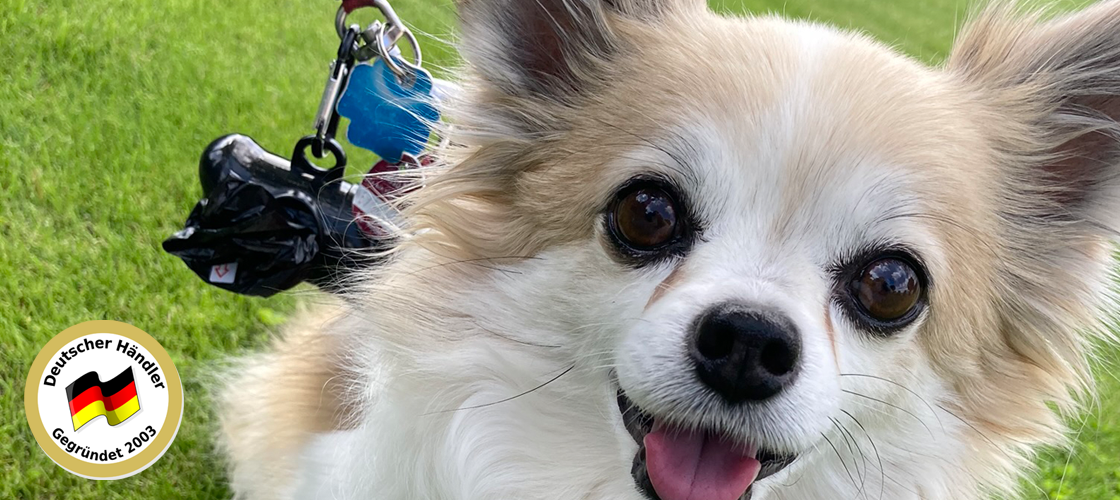

Dog poop harms our water too!
Trendisland.de
Share
Image created with AI
Dog poop is not only a nuisance for walkers, it can also seriously affect water quality. If dog poop is not disposed of properly, harmful nutrients and germs get into groundwater or nearby waters. In this article you will learn why picking up after your dog is not just a matter of courtesy but also of protecting our waters, and how consistent picking up and disposal in general waste helps.
Why dog poop is a problem for our water
Dog poop contains a high concentration of nutrients such as phosphorus and nitrogen. If it is left on the ground, rain washes it out and it reaches streams, rivers or even groundwater. These nutrients can cause algal blooms, which in turn lead to oxygen depletion in waters, with serious consequences for fish and other aquatic life.
Besides nutrients, dog poop also contains pathogens such as parasites and bacteria that can be washed into water by rain. Even small amounts of dog poop can affect water quality, so the impact on waters should not be underestimated.
Key pollutants at a glance
Dog poop is not a natural fertiliser. Unlike wild animal droppings, its composition is problematic for ecosystems. The following substances are particularly relevant:
- Nitrogen and phosphorus: promote excessive algae growth and lead to eutrophication of waters.
- Coliform bacteria (E. coli): can reach drinking water sources and cause gastrointestinal illness.
- Campylobacter and salmonella: can be washed into streams and rivers by rain.
- Parasite eggs (e.g. Toxocara canis, the dog roundworm): remain infectious in the soil for years and can also infect humans.
- Antibiotic-resistant germs: through the medical treatment of dogs, resistant bacteria can enter the environment via faeces.
How dog poop gets into groundwater
Especially in urban areas with many dog owners, the nutrient input from dog poop can quickly become a problem. The poop does break down over time, but the pollutants seep into the soil and can affect groundwater for years. Rural areas are not spared either: dog poop can also pollute streams and ditches there. The following situations are particularly problematic:
- Dog poop right next to waters, parks or playgrounds
- Busy dog exercise areas without regular cleaning
- Slopes and meadows from which rainwater drains directly into streams
- Winter months, when poop stays hidden under snow and is washed out all at once when it thaws
According to the market data of the German pet industry association, around 10 million dogs live in Germany. Even with a moderate amount per dog, this adds up to thousands of tonnes of dog poop every day, and not all of it ends up in the bin.
Protecting our waters starts with correct disposal
The solution is simple: dog poop should always be picked up with a dog poop bag and disposed of in general waste. This prevents harmful substances from getting into soil and water.
Our 1000 dog poop bags for hanging are tear-resistant, opaque and odour-neutral, a practical solution for anyone who values cleanliness, ideal for home or your regular route.
On the go, our dog poop bags with dispenser and metal clip are particularly suitable, as you simply attach them to the leash. That way you always have a hygienic way to dispose of dog poop correctly. The metal clip is more durable than plastic clips and holds reliably even under heavy use. Both products are shipped free of charge within Germany.
Comparison: dog poop bag options at a glance
| Feature | Set of 1000 for hanging | Set of 300 with dispenser and metal clip |
|---|---|---|
| Quantity | 1000 bags | 300 bags incl. dispenser |
| Attachment | hanging / dispenser | metal clip on the leash |
| Tear-resistant | yes | yes |
| Opaque | yes | yes |
| Odour-neutral | yes | yes |
| Ideal for | home / regular route | on the go / active dog owners |
| Shipping | free within Germany | free within Germany |
Why dog poop bags do not belong in the organic bin
Many people think dog poop bags have to be compostable, but even biodegradable versions do not belong in the organic bin. Dog poop can contain parasites that survive composting. That is why disposal via general waste is the safest way to keep germs and nutrients out of the water cycle.
In addition, composting plants are not designed to kill dog poop parasites such as Toxocara canis, and temperatures in household composters are usually not high enough. Compostable bags also often do not dissolve completely in normal composting plants and can cause problems there.
Correct disposal in three steps
- Pick up the poop with the bag and close it securely.
- Throw the bag into the nearest public bin or your general waste bin.
- Wash your hands, even if you used gloves.
Frequently asked questions
Is dog poop really so much more harmful than wild animal droppings?
Yes. Wild animals eat a natural diet, while dogs often get protein-rich commercial food. This leads to a higher nitrogen and phosphorus content in the poop. In addition, substances from medication or parasite treatments can enter the environment via the poop.
May I leave dog poop in the woods if there is no bin?
No. Dog poop should not be left in woods or meadows either. Ideally, take the closed bag with you to the next bin. Many dog owners attach a small hook or clip holder to the leash for this.
Are compostable dog poop bags better for the environment?
That cannot be said across the board. Compostable bags only break down under the conditions of industrial composting plants, and dog poop bags do not end up there because they belong in general waste. For correct disposal via general waste, a tear-resistant, opaque and odour-neutral bag is the most practical choice.
How many dog poop bags do I need per month?
That depends on the size of the dog and the number of daily walks. As a rule of thumb: with two walks a day and one bag per walk you need around 60 bags a month. A set of 1000 therefore lasts about 16 months.
Can I dispose of dog poop bags in public litter bins?
In most towns this is allowed as long as the bag is well closed. Some municipalities set up special dog waste stations. If in doubt, your general waste bin at home is always a safe option.
Conclusion: clean water starts with you
Every dog owner can help protect our waters by consistently disposing of dog poop. With the right dog poop bags this is easy and hygienic: tear-resistant material, opacity and odour control make sure you can pick up dog poop cleanly and carry it to the next general waste bin.
Take a look at our pet supplies category and find the right solution for you and your dog. All orders are shipped free of charge within Germany.
Note on content creation:
This article was created with the help of AI and then editorially reviewed. Despite careful preparation, we cannot completely rule out inaccuracies in content or calculations. All information is provided without guarantee of correctness, completeness or timeliness. The article is for general information only and does not replace legal, technical or professional advice. For individual questions or binding information, please contact the responsible authorities or professionals.
Images: The cover image was created with AI (AI-generated image). It is for illustration purposes and may differ from the actual product or condition.
Tear-resistant dog poop bags from the pack of 100 to the supply of 1000 can be found in our dog poop bags category.